

Winter brings more than just cold weather; it brings a significant risk of burst pipes and frozen fixtures that can lead to thousands of dollars in restoration costs. For most homeowners, the difference between a quiet winter and a flooded basement comes down to proactive maintenance and knowing exactly when a DIY fix becomes a liability.
Preventing water damage is not about luck, but about managing the thermal environment of your home’s plumbing system. When water freezes, it expands, putting immense pressure on copper, PEX, or PVC piping. Once that pressure exceeds the strength of the material, the pipe bursts. The real damage, however, often happens after the thaw, when gallons of water pour into walls and flooring.
High-Risk Areas and Immediate Prevention Tactics
Not all pipes are created equal. The areas of your home most susceptible to freezing are those with the least amount of insulation and the highest exposure to outside air.
The Crawl Space and Attic
Unfinished basements, crawl spaces, and attic runs are the primary failure points. To mitigate this, homeowners should invest in foam pipe insulation sleeves. These are inexpensive, easy to install, and create a thermal barrier that slows the cooling process of the water inside the pipe.
Exterior Spigots
One of the most common winter mistakes is leaving a garden hose attached to an outdoor faucet. This traps water inside the pipe, leaving it with nowhere to expand. To prevent a rupture that could leak inside your wall, disconnect all hoses in October and shut off the interior valve leading to the outdoor spigot, draining the remaining water from the line.
The “Trickle” Method
During a severe cold snap (where temperatures drop below 20°F for extended periods), the safest bet is to keep water moving. A slow, steady drip from a faucet—specifically one located on an exterior wall—prevents water from stagnating and freezing solid. While it may seem wasteful, the cost of a few gallons of water is negligible compared to the cost of replacing a section of drywall and flooring.
Identifying When to Call a Professional
There is a fine line between a minor clog and a systemic failure. Many homeowners attempt to resolve plumbing issues using chemical drain cleaners or makeshift tools, often exacerbating the problem.
If you notice a sudden drop in water pressure, strange gurgling sounds in your drains, or damp spots appearing on your ceilings, you are likely dealing with a leak or a partial freeze. In these instances, attempting to thaw a pipe with a blowtorch or high-heat space heater is dangerous and can lead to house fires or further pipe degradation.
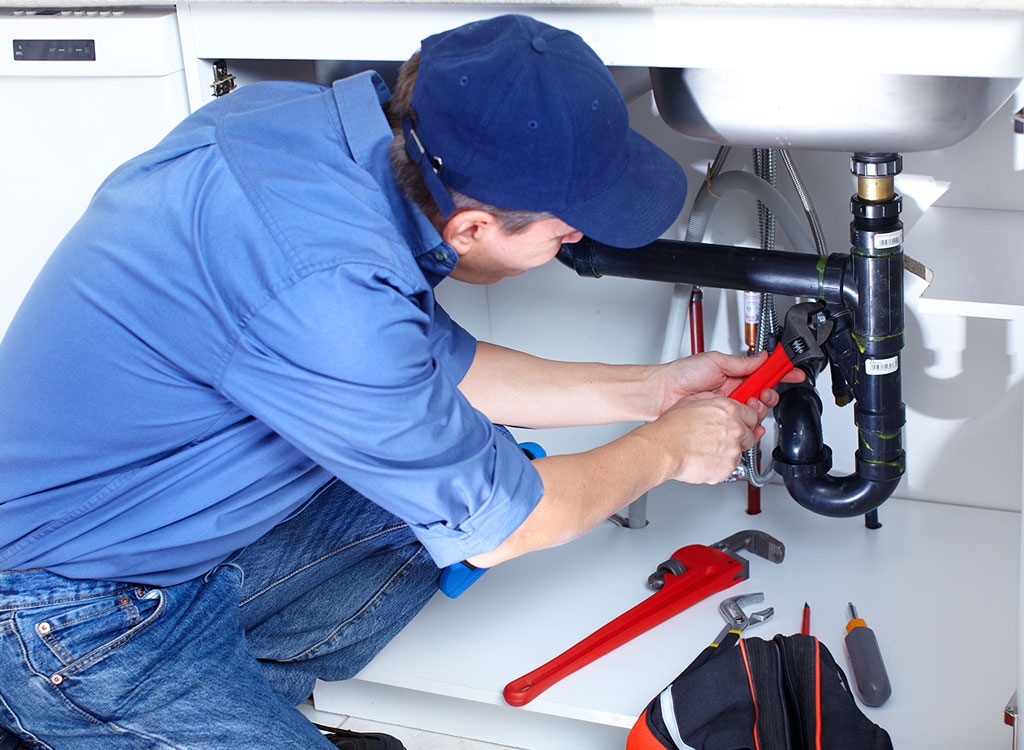
When the situation escalates beyond basic maintenance, the most efficient route to a permanent fix is partnering with reputable local plumbing companies that understand the specific regional climate and common architectural flaws of homes in your area. Professional technicians have the equipment, such as thermal imaging cameras, to find the exact location of a leak without tearing through multiple walls.
Long-Term Infrastructure Upgrades for Winter Resilience
If your home consistently suffers from frozen pipes every winter, a “patch and repair” strategy is a waste of capital. Instead, consider structural upgrades that eliminate the risk entirely.
Pipe Relocation and Depth
In some older homes, pipes were laid too shallow or too close to the exterior perimeter. A professional can relocate these lines deeper into the home’s interior or bury them below the frost line in the case of main service lines.
Installing Heat Tape
For pipes in areas where insulation isn’t enough, electric heat tape can be a lifesaver. These cables wrap around the pipe and use a thermostat to apply a small amount of heat only when temperatures drop to a critical threshold. This ensures the water remains liquid without significantly spiking your electricity bill.
Upgrading to PEX
If you are replacing old galvanized steel or copper pipes, consider PEX (cross-linked polyethylene). PEX is more flexible than traditional piping, meaning it can expand and contract slightly more during freeze-thaw cycles, reducing the likelihood of a catastrophic burst.
By combining these preventative measures with a reliable professional network, homeowners can shift from a reactive state of panic to a proactive state of maintenance, ensuring their home remains dry and functional regardless of the temperature outside.