
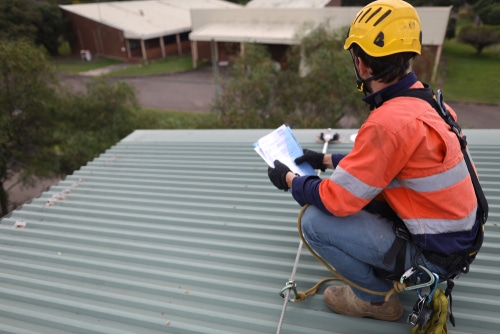

Your roof is the first line of defense against the elements, but in the high-desert climate of Southern Utah, that defense is under constant pressure. From the intense UV radiation of the summer sun to the sudden, heavy monsoon rains and occasional winter snow, St George homes face a unique set of environmental stressors.
Many homeowners make the mistake of waiting until a ceiling stain appears to call for help. However, by the time water is visible inside your living room, the structural damage—including rotted decking and mold growth—is already well underway. Identifying the early warning signs allows you to address minor repairs before they escalate into a full-scale roof replacement.
Exterior Red Flags You Can Spot from the Ground
You don’t need to climb a ladder to identify several critical issues. A simple walk-around of your property after a storm or a change in season can reveal whether your home is at risk.
Granule Loss and Shingle Degradation
If you notice a sandy residue in your gutters or piles of small, rock-like granules at the base of your downspouts, your shingles are losing their protective coating. In St George, the extreme heat can bake the asphalt, causing shingles to become brittle and lose their granules prematurely. Once this protective layer is gone, the underlying material is exposed to UV rays, accelerating the aging process.
Curling, Buckling, or Missing Shingles
Take a look at the edges of your shingles. If they are curling upward or “cupping,” it is often a sign of poor attic ventilation or age-related wear. Missing shingles are an even more urgent concern; a single missing shingle creates a direct path for water to reach the plywood sheathing, which can lead to rapid deterioration during a heavy rain event.
Damaged Flashing and Sealants
Flashing—the metal strips installed around chimneys, vents, and skylights—is one of the most common failure points. If the sealant is cracked or the metal is pulling away from the structure, water will seep into the gaps. Because these areas are often obscured, they are prime candidates for a professional assessment by experienced roofers St George who know exactly where the vulnerabilities lie in local architecture.
Interior Warning Signs of Roof Failure
While the exterior provides the first clues, the interior of your home often tells the real story of how the roof is performing.
Ceiling Stains and Wall Discoloration
Yellowish or brown rings on your ceiling are a definitive sign of a leak. Even if the spot is dry to the touch, it indicates that water has penetrated the roof deck at some point. In some cases, these leaks are slow and intermittent, only appearing during specific wind directions or heavy snowmelt.
Peeling Paint and Bubbling Wallpaper
If you notice paint peeling or wallpaper bubbling on the upper sections of your walls or near the eaves, moisture is likely migrating through your walls from the roofline. This is often caused by failing fascia boards or compromised soffits that allow water to back up into the home’s envelope.
Musty Odors and Mold Growth
A damp, musty smell in the attic or upstairs bedrooms is a red flag. Mold thrives in dark, moist environments, and a roof leak provides the perfect breeding ground. If you see dark spots on your rafters or insulation that looks matted and damp, your roof is no longer providing a watertight seal.
The Risk of Neglecting Regular Inspections
The cost of a professional inspection is a fraction of the cost of a structural repair. In Southern Utah, the “hidden” damage is often the most expensive. For example, a small leak in the valley of a roof can go unnoticed for months, silently rotting the support beams. By the time the leak becomes obvious, you aren’t just paying for new shingles—you are paying for carpentry and structural reinforcement.
Furthermore, consistent inspections help maintain your home’s energy efficiency. A compromised roof often goes hand-in-hand with poor insulation or ventilation. When hot air is trapped in the attic during a St George July, it not only increases your cooling costs but also “cooks” your shingles from the inside out, shortening the lifespan of your entire roofing system.
When to Schedule an Inspection
While the warning signs listed above demand immediate attention, there are specific triggers that should prompt a professional check-up regardless of visible damage:
- After High-Wind Events: Strong gusts can lift shingles or displace flashing.
- Every Three to Five Years: Depending on the material (tile vs. shingle), a periodic health check ensures longevity.
- Before a Major Sale: A certified inspection provides peace of mind for both the buyer and the seller.
- Following a Change in Season: Transitioning from the heat of summer to the cooler winter months can cause materials to expand and contract, potentially opening gaps in the seal.