
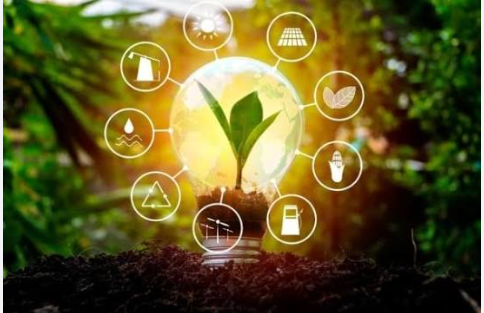

India’s clean energy transition is accelerating. Investments in solar power, wind energy, battery storage systems, and electric mobility are reshaping the country’s energy landscape and creating new opportunities for sustainable growth.
While much of the conversation around renewable energy focuses on technology and infrastructure, an equally important factor often receives less attention: the materials that make this transition possible.
Metals such as copper, aluminium, and lead form the backbone of renewable energy systems. As demand for these materials continues to rise, industries are increasingly turning to recycled metals as a sustainable and reliable source of supply.
The growing integration of recycling and renewable energy is creating a stronger foundation for India’s long-term energy goals while supporting broader sustainability objectives.
The Materials Behind Renewable Energy Infrastructure
Every renewable energy technology depends on metals for manufacturing, power generation, transmission, and storage.
For example:
- Solar installations require copper and aluminium for wiring, conductors, and structural frameworks.
- Wind energy systems rely on copper and specialty metals for generators and electrical components.
- Battery energy storage systems require metals for energy storage and power management applications.
- Electric vehicle charging networks depend heavily on copper conductors and electrical infrastructure.
As India continues expanding renewable energy capacity, the demand for these materials is expected to increase significantly.
This growing demand highlights the importance of developing sustainable supply chains that can support future growth without placing excessive pressure on natural resources.
Why Recycled Metals Are Gaining Importance
Traditional metal production relies heavily on mining and resource extraction. While these processes remain important, they often require substantial amounts of energy and resources.
Recycled metals offer an alternative pathway that supports both industrial growth and environmental responsibility.
By recovering metals from industrial scrap, end-of-life products, and manufacturing waste, industries can reduce their dependence on primary extraction while maintaining access to high-quality raw materials.
The benefits of metal recycling include:
- Reduced energy consumption
- Lower carbon emissions
- Improved resource efficiency
- Reduced landfill waste
- Conservation of natural resources
- Support for sustainability initiatives
These advantages make recycling an increasingly important component of modern manufacturing and energy supply chains.
Building Circular Supply Chains for Clean Energy
The future of renewable energy is closely connected to the principles of the circular economy.
As solar panels, batteries, electrical systems, and industrial equipment reach the end of their lifecycle, recovering valuable materials becomes essential for maintaining long-term resource availability.
A circular approach enables metals to remain in productive use through collection, processing, recycling, and reintegration into manufacturing systems.
This process helps create more resilient supply chains while reducing waste and improving overall resource utilisation.
As demand for renewable energy infrastructure grows, circular supply chains will play a critical role in ensuring access to the materials needed for future development.
The Growing Role of Metal Recycling Companies in India
India’s sustainability goals have accelerated investment in modern recycling infrastructure and advanced recovery technologies.
Today, leading metal recycling companies in India are helping recover valuable materials from:
- Industrial scrap
- Manufacturing waste
- Electronic waste
- End-of-life products
- Electrical equipment
Through advanced processing capabilities and quality-focused operations, these organisations are contributing to a more sustainable industrial ecosystem.
Companies such as Jain Resource Recycling are supporting this transition through responsible resource recovery and recycling solutions that help industries maximise material value while reducing environmental impact.
Strengthening Resource Security for the Future
One of the biggest challenges facing the renewable energy sector is securing a reliable supply of critical materials.
As demand increases globally, resource security will become an increasingly important consideration for manufacturers, developers, and policymakers.
Recycled metals help address this challenge by creating a secondary source of valuable materials that can supplement traditional supply chains.
This approach reduces dependence on virgin resources while improving supply stability and supporting long-term industrial resilience.
Supporting India’s Sustainable Growth Journey
India’s renewable energy ambitions will require not only technological innovation but also smarter approaches to resource management.
Industry leaders such as Jain Resource Recycling are contributing to this effort by advancing sustainable resource management, improving material recovery, and supporting the circular use of metals across industries.
As the country continues expanding its clean energy infrastructure, recycled metals will play an increasingly important role in supporting renewable energy growth, strengthening supply chains, and enabling a more sustainable future.
The connection between renewable energy and recycling is becoming stronger every year. Together, they form a powerful foundation for India’s transition toward a cleaner, more resource-efficient economy.