
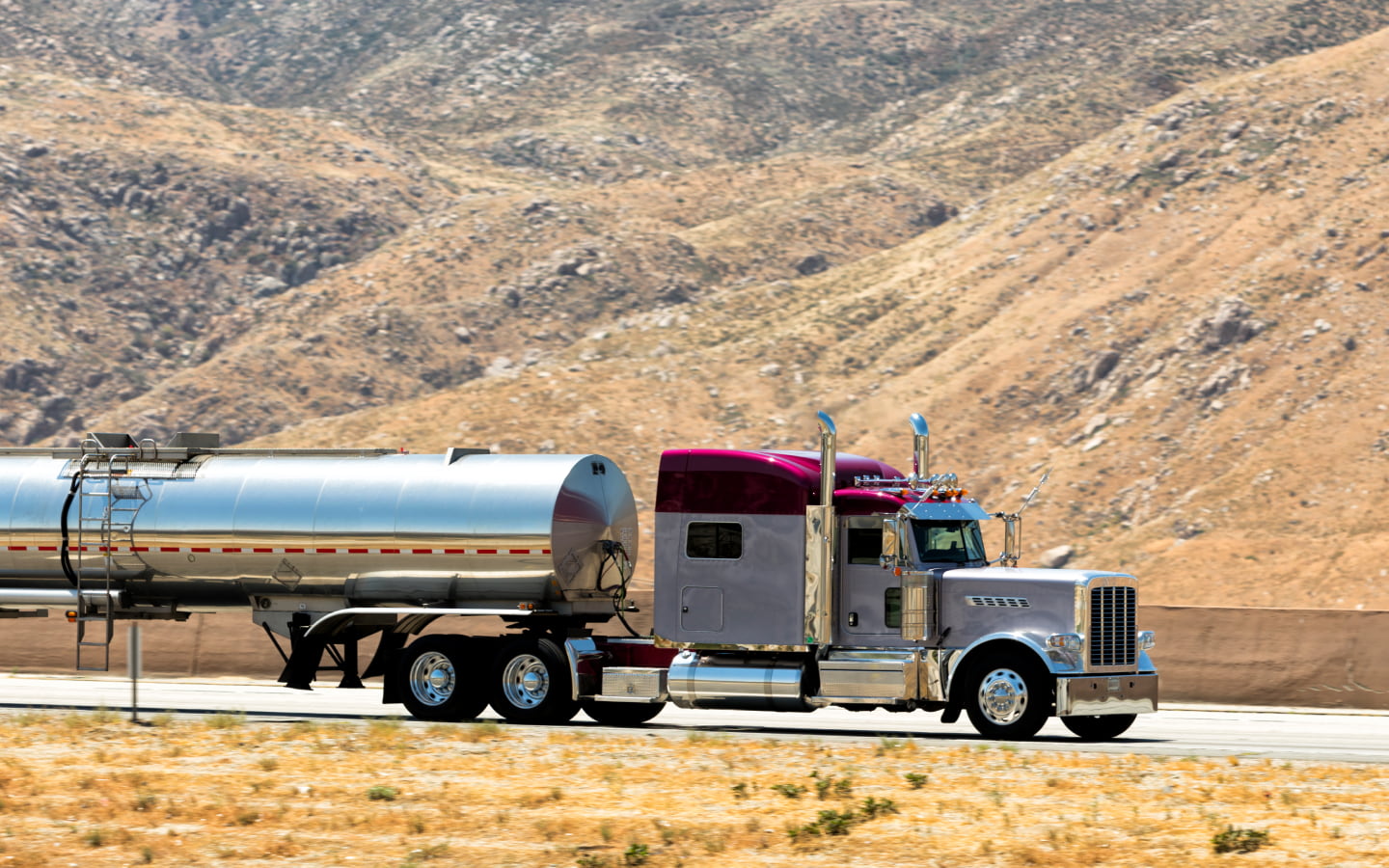

For owners of logistics companies and agricultural contractors, a diesel engine is more than just a mechanical component; it is the primary driver of revenue. When a truck is sidelined for repairs or consuming excessive fuel due to inefficiency, the impact is felt immediately in the bottom line. The challenge for most operators is balancing the need for raw pulling power with the necessity of long-term engine longevity.
Many fleet managers rely on factory settings, assuming that “standard” is synonymous with “optimal.” However, factory calibrations are often designed as a middle-ground compromise to suit a global market, rather than being optimized for the specific load weights and terrains of a particular operation. By shifting focus toward precision performance upgrades, owners can transform a sluggish workhorse into a high-efficiency asset.
Eliminating the Bottlenecks of Stock Engines
The primary goal of upgrading a diesel engine is not necessarily to reach maximum speed, but to eliminate the bottlenecks that cause engine strain. When an engine struggles to maintain speed under a heavy load, it generates excessive heat and consumes more fuel than necessary. This inefficiency leads to premature wear on internal components and more frequent visits to the shop.
Improving the air-to-fuel ratio is the first step in reducing this strain. High-flow intake systems and upgraded turbochargers allow the engine to breathe more efficiently, reducing the effort required to produce the same amount of torque. When the engine doesn’t have to “fight” for air, the combustion process becomes cleaner and more complete, which directly translates to better fuel economy over long hauls.
Beyond air intake, the quality of the components used for these upgrades determines the lifespan of the vehicle. Integrating high-grade diesel performance parts ensures that the engine can handle increased pressures without compromising the integrity of the gaskets or the cylinder walls. The objective is to create a balanced system where the fuel delivery, air intake, and exhaust flow work in harmony.
Reducing Unscheduled Downtime via Thermal Management
Heat is the greatest enemy of any diesel engine. For those operating in extreme climates or hauling maximum payloads over steep grades, thermal management is the difference between a vehicle that lasts 500,000 miles and one that fails at 200,000.
Upgrading Cooling Systems
Stock radiators and oil coolers are often insufficient for heavy-duty cycles. Upgrading to high-capacity coolers prevents the oil from thinning out under extreme heat, maintaining the necessary lubrication film to protect bearings and pistons. This proactive approach prevents the catastrophic failures that lead to weeks of unplanned downtime.
Precision Tuning and Calibration
Once the hardware is optimized, the software must be aligned. Precision tuning allows an operator to adjust the fuel mapping to better suit their specific load. For example, a truck that primarily does short-haul heavy lifting requires a different torque curve than one used for long-distance interstate transport. By optimizing the timing and fuel injection, owners can reduce the “smoke” (unburnt fuel) and increase the actual work performed per gallon of diesel.
Calculating the ROI of Performance Upgrades
Business owners often hesitate to invest in upgrades because they view them as “extras” rather than essential maintenance. However, the return on investment (ROI) is typically realized in three specific areas:
- Fuel Savings: Even a 5% to 10% increase in fuel efficiency across a fleet of ten trucks can save thousands of dollars per quarter.
- Reduced Labor Costs: A tuned engine that runs cooler and more efficiently requires fewer emergency repairs, reducing the cost of unplanned labor and towing.
- Increased Payload Capacity: Enhancing the torque profile allows vehicles to maintain speed with heavier loads, potentially increasing the amount of cargo moved per trip.
The transition from a stock configuration to a performance-optimized setup should be gradual and strategic. Starting with the most restrictive components—usually the exhaust and intake—and moving toward electronic calibration ensures that the engine remains reliable. For the professional operator, the goal is not to build a show truck, but to build a tool that maximizes profit per mile while minimizing the risk of mechanical failure.