
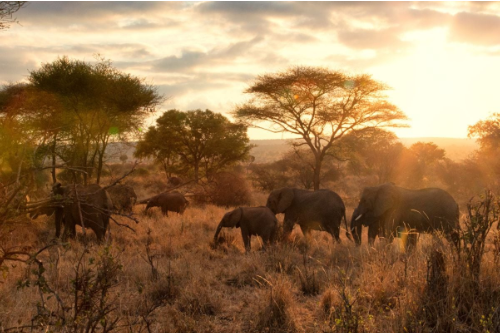

Choosing a safari in Tanzania means selecting Africa’s most complete wildlife experience, where natural wonders unfold across landscapes that have inspired explorers, conservationists, and adventurers for generations. This remarkable nation combines unparalleled wildlife populations with ecosystem diversity that spans coastal forests to alpine zones, creating opportunities to witness nature’s drama in settings that remain remarkably pristine despite humanity’s encroachment elsewhere. Tanzania’s safari legacy stretches back over a century, yet the country has evolved beyond simple game viewing to offer sophisticated experiences that satisfy luxury travelers and budget backpackers alike, all while maintaining the wilderness authenticity that makes African safaris transformative.
The Tanzania Safari Phenomenon
Tanzania’s emergence as the world’s premier safari destination stems from deliberate conservation choices made across decades. While other nations prioritized agricultural expansion or resource extraction, Safari in Tanzania invested in wildlife protection, recognizing that healthy ecosystems could generate sustainable economic benefits through tourism. Today, this foresight has created a conservation estate covering over 300,000 square kilometers—an area larger than Italy—where wildlife populations flourish largely free from human interference.
The numbers tell a compelling story. Tanzania harbors an estimated 150,000 Maasai giraffes, making it the species’ stronghold. Lion populations exceed 14,000 individuals across various protected areas, representing one of Africa’s most viable long-term populations. Elephant numbers approach 50,000 despite historical poaching pressures. These populations exist not in isolation but as functioning ecosystems where predator-prey dynamics, seasonal migrations, and intricate species interactions continue largely unaltered by human intervention—increasingly rare phenomena in our anthropogenically dominated world.
Infrastructure supporting safari tourism has reached impressive sophistication without overwhelming the wilderness experience. Small aircraft connect distant parks, reducing overland travel time and providing aerial perspectives on Tanzania’s stunning topography. Accommodation options range from permanent luxury lodges with spa facilities and infinity pools to mobile tented camps that relocate seasonally following wildlife movements. Professional guide training programs produce naturalists who combine traditional tracking knowledge with modern ecological understanding, ensuring visitors receive both entertainment and education during their safaris.
Tanzania’s Must-Visit Safari Destinations
Serengeti National Park: Africa’s Greatest Stage
The Serengeti represents the archetype against which all other African parks are measured. Its 14,750 square kilometers contain the world’s largest remaining intact large mammal migration, a phenomenon that has occurred for over a million years. Understanding the Serengeti requires recognizing it not as a single uniform landscape but as a mosaic of distinct ecological zones, each supporting specialized wildlife communities adapted to local conditions.
The southern short-grass plains, volcanic soils deposited millennia ago by the now-dormant Ngorongoro volcanoes, create nutrient-rich grazing that attracts the migration herds from December through March. Here, in a compressed three-week window from late January through mid-February, hundreds of thousands of wildebeest cows give birth, producing approximately 8,000 calves daily at peak calving. This synchronized birthing overwhelms predators through sheer numbers—while lions, hyenas, leopards, and cheetahs feast on the abundance, most calves survive simply because predators cannot consume them all.
The central Serengeti’s acacia woodlands provide different habitat supporting resident populations less dependent on seasonal movements. The Seronera Valley, with its year-round water and dense vegetation, harbors some of Africa’s most photographed leopards. These normally elusive cats have grown accustomed to safari vehicles, allowing remarkable viewing opportunities as they lounge in trees, drag kills into branches, or hunt unwary prey. Lion prides maintain territories here, with some reaching extraordinary sizes—30 or more individuals in extended family groups that cooperate in hunting buffalo and defending territories against neighboring prides.
The western corridor follows the Grumeti River, creating a 100-kilometer band of riverine forest, swamps, and grasslands distinct from the open plains. From May through July, migration herds move through this region, encountering the Grumeti River where large crocodiles, some exceeding five meters in length, await the annual feast. While less famous than the Mara River crossings, Grumeti crossings offer equally dramatic spectacles with fewer spectators. The northern Serengeti’s rolling hills and scattered woodlands host the migration from July through October, when massive herds mass along the Mara River before undertaking desperate crossings into Kenya’s Maasai Mara.
Ngorongoro Conservation Area: A World Within Walls
The Ngorongoro Crater functions as nature’s perfect wildlife enclosure, where 600-meter walls create boundaries that concentrate animals in densities approaching those of good African zoos, except here the animals roam free across 260 square kilometers. This geological anomaly—formed when a volcano potentially rivaling Kilimanjaro’s height collapsed inward—has created unique evolutionary conditions. Some animal populations have lived within the crater for countless generations, rarely if ever ascending the steep walls or venturing into the highlands beyond.
The crater floor’s habitat diversity creates niches for varied species. Permanent springs ensure year-round water independent of seasonal rains. Lake Magadi, a shallow alkaline lake fed by underground hot springs, attracts flamingos when water chemistry permits their specialized filter-feeding. The Lerai Forest provides cool refuge during midday heat, particularly favored by elephants that emerge at dawn and dusk to feed on the grasslands. Open plains covering much of the crater support herbivore concentrations visible from the rim—dark masses of wildebeest and zebra appear as moving shadows across the golden grass.
Black rhinoceros represent the crater’s conservation crown jewel. These critically endangered animals, reduced to perhaps 5,000 individuals continent-wide through relentless poaching, maintain a small but stable breeding population here. Seeing these prehistoric-looking creatures—with their distinctive hooked lips, massive heads, and bad tempers—ranks among safari’s most coveted experiences. The crater’s natural protection, combined with intensive ranger patrols and community engagement programs, has provided refuge where rhinos can survive and slowly increase.
Tarangire National Park: Where Giants Gather
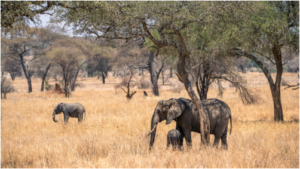
Tarangire demonstrates the power of permanent water in seasonal African ecosystems. During wet months, wildlife disperses across an ecosystem exceeding 20,000 square kilometers, following ephemeral water sources and fresh vegetation. But as the dry season intensifies from June through October, the Tarangire River becomes a critical lifeline, drawing animals from vast surrounding areas. What begins as a pleasant park transforms into one of Africa’s great wildlife concentrations, with elephant herds numbering in the hundreds congregating along riverbanks.
These elephants exhibit behaviors that reveal their complex social structures and emotional lives. Researchers working in Tarangire have documented multigenerational family groups, grief responses to dead relatives, problem-solving abilities, and communication systems involving infrasonic calls inaudible to human ears but detectable kilometers away. Observing elephant interactions—youngsters playfully sparring, adults carefully navigating family dynamics, matriarchs making decisions affecting entire herds—provides windows into animal consciousness that challenge assumptions about intelligence and awareness.
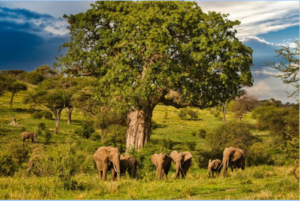
The park’s baobab trees create iconic African imagery. These peculiar trees, which can live over 2,000 years and store tens of thousands of liters of water in their fibrous trunks, dominate certain Tarangire landscapes. Their grotesque shapes—massive bottle-shaped trunks, stubby branches resembling roots—have inspired legends across Africa. Ecologically, baobabs provide crucial resources: nesting cavities for birds and bats, shade during harsh midday heat, emergency food and water when elephants strip bark during droughts, and fruit consumed by numerous species.
Selous Game Reserve and Ruaha: Southern Wilderness
Tanzania’s southern safari circuit offers experiences fundamentally different from the well-traveled northern parks. Nyerere National Park, recently designated from Selous Game Reserve’s northern section, protects 30,000 square kilometers of wilderness dominated by miombo woodland—a vegetation type covering vast areas of southern Africa but underrepresented in East African parks. The Rufiji River system creates the park’s character, with channels, oxbow lakes, and seasonal floodplains supporting both aquatic and terrestrial ecosystems in remarkable diversity.
Activities in Nyerere extend beyond standard game drives. Boat safaris provide unique perspectives, with quiet drifting past hippo pods, massive crocodiles, and elephants wading through shallows. Water birds gather in extraordinary numbers—fish eagles perch scanning for prey, kingfishers hover before plunge-diving, herons and storks stalk the margins, and pelicans fish cooperatively. Walking safaris allow tracking animals on foot with armed rangers, learning to read signs in vegetation and soil, and understanding ecosystem interconnections that vehicle viewing misses.
Ruaha National Park ranks as Tanzania’s largest protected area at over 20,000 square kilometers. The park occupies a transitional zone where eastern and southern African fauna overlap, producing exceptional biodiversity. Species uncommon elsewhere appear regularly—greater and lesser kudu with their spectacular spiral horns, roan and sable antelope, and subspecies found only in this region. The Great Ruaha River creates dramatic landscapes of baobab-studded plains, rocky escarpments, and seasonal watercourses that become sand rivers during dry months. Elephant populations here remain substantial despite historical poaching, with family groups traversing vast territories following traditional routes established over generations.
Designing Your Optimal Safari Experience
Safari Duration and Itinerary Structure
Safari length profoundly impacts both satisfaction and value per day invested. Three to four-day quickie safaris, while budget-friendly, involve disproportionate travel time relative to actual wildlife viewing. The constant movement prevents absorption of each park’s unique character and understanding of its ecological patterns. Five to seven days represents a practical minimum for meaningful experiences, typically allowing visits to three or four parks with adequate time for multiple game drives in each location. This duration commonly includes Serengeti, Ngorongoro Crater, and one or two additional parks like Tarangire or Lake Manyara.
Ten to fourteen-day safaris enable comprehensive exploration without exhausting schedules. These longer itineraries allow spending two or three days in favorite locations, dramatically increasing odds for rare sightings and special behavioral moments. Photographers particularly benefit from extended stays, as optimal lighting and animal behavior occur unpredictably—additional days multiply chances for extraordinary images. Longer safaris also permit combining northern and southern circuits, or incorporating non-safari elements like Kilimanjaro climbs or Zanzibar beach retreats.
Accommodation Selection Strategy
Choosing appropriate accommodation significantly affects both experience quality and budget. Budget camping safaris prioritize wildlife viewing over comfort, utilizing public campsites where crews set up tents and prepare meals. These safaris deliver authentic bush experiences—sleeping under canvas with only fabric separating you from nocturnal animals, hearing lions roar in darkness, waking to African bird dawn chorus. Trade-offs include basic facilities, shared bathrooms, and minimal privacy, but for young travelers or those with tight budgets, camping provides genuine safari access at $200-350 daily per person.
Mid-range tented camps and lodges balance comfort and cost effectively. These properties offer private en-suite bathrooms, comfortable beds, decent cuisine, and often attractive locations without luxury-level amenities or pricing. Many occupy permanent sites within or adjacent to parks, providing reliable standards while maintaining safari atmosphere through canvas construction and bush settings. At $400-700 daily per person, mid-range accommodations suit families, couples, and travelers seeking comfort without extravagance.
Luxury and ultra-luxury properties create extraordinary experiences justifying their $1,000-2,500+ daily per person pricing. Spacious suites or tents feature premium furnishings, high-thread-count linens, often private plunge pools, and panoramic views. Gourmet cuisine rivals top urban restaurants, extensive wine lists complement meals, and spa treatments help guests relax between activities. Service standards achieve near-perfection, with staff anticipating needs before articulation. Exclusive locations often provide private game viewing areas without crowds, and some offer specialized experiences like sleep-outs under stars or private bush dinners.
Seasonal Timing Considerations
Understanding Tanzania’s seasonal patterns helps optimize safari timing for specific priorities. The primary dry season from late June through October offers classic safari conditions—minimal rainfall, comfortable temperatures, clear skies, and concentrated wildlife around permanent water sources. Vegetation dies back, improving visibility and making animals easier to locate. These months coincide with migration herds in northern Serengeti and dramatic Mara River crossings, though exact timing varies annually with rainfall patterns. However, popularity brings higher prices, increased visitor numbers, and advance booking requirements.
The green season from November through May transforms landscapes dramatically. November rains trigger grass regeneration and tree leafing, attracting herbivores to fresh growth. Thousands of migratory bird species arrive from Eurasia, dramatically increasing avian diversity. December through February constitutes a “short dry period” between rain cycles, offering excellent conditions with fewer crowds than peak season. The southern Serengeti calving season during these months creates extraordinary predator activity. The long rains from March through May bring heaviest precipitation, lushest vegetation, lowest tourist numbers, and reduced prices, though some seasonal camps close and road conditions occasionally challenge travel plans.
Safari Activities Beyond the Game Drive
Aerial Adventures: Balloon Safaris
Hot air balloon safaris over the Serengeti provide perspectives impossible from ground level and create memories ranking among safari’s most cherished. These dawn flights launch in pre-dawn darkness, with passengers ascending as sunrise illuminates the landscape. From altitudes reaching several hundred meters, the Serengeti’s scale becomes viscerally comprehensible—endless plains rolling toward distant horizons, migration herds appearing as dark ribbons flowing across grasslands, predators stalking prey in dramas visible from above.
Skilled pilots maneuver balloons lower over interesting sightings, sometimes descending to treetop level for intimate views while maintaining safe distances that avoid disturbing animals. The silence of balloon flight—interrupted only by periodic burner blasts—allows observing natural behavior without engine noise disturbance. Flights conclude with champagne breakfasts served under acacia trees, with white tablecloths, crystal glasses, and hot gourmet meals creating remarkable contrasts with the wild surroundings. While expensive additions to safari budgets at $500-600 per person, balloon flights consistently receive highest satisfaction ratings from participants.
Walking Safaris: Intimate Wilderness Connection
Walking safaris fundamentally alter wilderness engagement by removing vehicle barriers between visitors and the environment. Moving through wildlife habitat on foot, with armed rangers ensuring safety, demands heightened awareness that sharpens all senses. Visual focus shifts from distant animals to nearby details—insects performing complex behaviors, bird species invisible from vehicles, plants exhibiting remarkable adaptations. The pace slows dramatically, allowing appreciation of ecosystem complexity often missed during vehicle-based viewing.
Guides teach practical bush skills during walks: identifying animal tracks and interpreting their stories, recognizing plant species and understanding their uses, reading behavioral signs in vegetation and soil, understanding how species interconnect in complex ecological webs. The knowledge gained during walking safaris enhances subsequent game drive observations, as visitors develop deeper understanding of ecosystem functioning. While walks prioritize education over big game sightings, encounters do occur—maintaining appropriate respect and following guide instructions ensures safety while creating thrilling moments of vulnerability that heighten appreciation for wildlife’s power.
Cultural Encounters: Human Dimensions
Ethical cultural visits provide perspectives on how traditional communities coexist with wildlife. Maasai cultural centers near major parks offer insights into pastoralist lifestyles maintained across centuries despite modern pressures. Visitors learn about traditional beliefs, social structures, cattle-centered economies, and remarkable adaptations allowing human survival in challenging environments alongside dangerous wildlife. Traditional dances, craft demonstrations, and home visits create cultural exchange when conducted through operators ensuring communities genuinely welcome visitors and receive fair compensation.
Understanding human dimensions complements wildlife viewing by revealing that successful conservation requires balancing animal protection with human needs. Communities living adjacent to parks face real challenges—crop raiding by elephants, livestock predation by carnivores, limited economic opportunities—yet often support conservation when receiving tangible benefits through tourism employment, revenue sharing, and development projects. Respectful cultural engagement helps visitors appreciate these complexities beyond simple wildlife viewing.
Conservation Impact and Responsible Tourism
Safari tourism generates substantial revenue supporting Tanzania’s conservation programs. In pre-pandemic 2019, tourism contributed approximately $2.6 billion to Tanzania’s economy, with safari tourism representing the largest component. Park entrance fees fund ranger salaries, anti-poaching patrols, infrastructure maintenance, and wildlife research. Employment in lodges, camps, and tour operations provides livelihoods for thousands of Tanzanians, creating economic justifications for maintaining protected areas rather than converting them to agriculture.
Responsible operators extend their conservation impact beyond basic park fees through community development initiatives and direct conservation support. These companies employ local staff preferentially, source supplies from nearby communities, fund schools and health clinics, and support anti-poaching efforts financially and logistically. Choosing operators with demonstrated conservation commitments ensures tourism spending supports genuine sustainability rather than extractive profit-taking.
Individual travelers contribute through mindful behavior and ethical choices. Respecting park regulations, maintaining appropriate distances from wildlife, staying on designated roads, never littering, and avoiding harassment of animals for photographs all protect ecosystems making safaris possible. Supporting operators who employ local guides, purchase from local suppliers, and invest in communities ensures tourism benefits extend beyond park boundaries to people whose support remains essential for long-term conservation success.
Conclusion
A safari in Tanzania delivers far more than wildlife sightings—it provides immersion into functioning ecosystems where natural processes continue largely unaltered by human interference, creating connections with wildness that resonate across lifetimes. Whether witnessing predator kills on Serengeti plains, observing elephant intelligence at Tarangire waterholes, or simply absorbing the profound peace of African wilderness at sunset, Tanzania creates transformative experiences that reshape perspectives on nature, conservation, and humanity’s place within Earth’s biological community.
Planning your safari requires honest assessment of priorities, realistic budgeting, and partnerships with knowledgeable operators who translate aspirations into achievable itineraries. Tanzania accommodates a remarkable diversity of interests and budgets, ensuring that whether you seek luxury pampering, adventurous camping, photographic opportunities, family education, or solo exploration, the perfect safari awaits. The wild places of Africa call to something fundamental in human nature—perhaps genetic memory of landscapes where our species evolved—and Tanzania answers this call more completely than perhaps anywhere else on Earth, preserving wilderness and wildlife that future generations will treasure as we do today.
Key Takeaways
- Unrivaled Wildlife Abundance: Tanzania protects over 300,000 square kilometers of wilderness supporting millions of large mammals including 150,000 giraffes, 14,000 lions, and 50,000 elephants
- Migration Epicenter: The Great Migration, Earth’s greatest remaining mammal migration involving 1.5+ million wildebeest, occurs primarily within Tanzania’s Serengeti ecosystem
- Comprehensive Park System: From world-famous Serengeti and Ngorongoro to remote Nyerere and Ruaha, Tanzania offers diverse experiences matching every preference and budget
- Year-Round Opportunities: Every season delivers distinct advantages—dry season for river crossings and concentrated viewing, green season for calving drama and reduced crowds
- Complete Budget Range: Accommodation from budget camping ($200-350 daily) through mid-range lodges ($400-700 daily) to ultra-luxury camps ($1,000+ daily) ensures universal accessibility
- Activity Diversity: Balloon safaris, walking safaris, boat excursions, night drives, and cultural visits create comprehensive experiences beyond traditional game viewing
- Conservation Through Tourism: Safari revenue directly funds anti-poaching patrols, wildlife research, ranger salaries, and community development projects
- Professional Excellence: Experienced certified guides, well-maintained vehicles, established safety protocols, and mature logistics infrastructure ensure consistently outstanding experiences
Frequently Asked Questions
How much should I realistically budget for a quality Tanzania safari?
Budget requirements vary dramatically based on accommodation standards and safari length. A week-long budget camping safari costs approximately $1,400-2,450 per person (at $200-350 daily) plus international flights, visas, and tips. Mid-range lodge safaris for seven days run $2,800-4,900 per person (at $400-700 daily). Luxury week-long safaris exceed $7,000-17,500 per person (at $1,000-2,500 daily). Add international flights ($800-2,000), Tanzanian visas ($50-100), tips ($100-200), drinks, and personal expenses. Total all-inclusive costs typically range from $3,500-5,000 for budget safaris to $10,000-25,000+ for luxury experiences per person for one week.
Is it safe to travel to Tanzania for safari?
Tanzania maintains excellent safety records for safari tourists. Wildlife parks implement strict protocols, violent crime against tourists remains rare, and the country enjoys political stability supporting consistent tourism operations. Safari lodges and camps employ comprehensive security measures. Wildlife viewing from vehicles is very safe when following guide instructions—serious animal incidents are extremely uncommon. Urban areas require standard precautions as in any developing country, but safari regions are generally very secure. Millions visit Tanzania annually with overwhelmingly positive experiences. Working with reputable operators and following professional advice ensures safe, memorable safaris.
What is the best month for a Tanzania safari?
Optimal timing depends on specific priorities. July through October offers peak dry season conditions with excellent general wildlife viewing and dramatic Mara River crossings, though higher prices and more tourists. January through February provides spectacular calving season in southern Serengeti with intense predator action, comfortable weather, and moderate crowds. June and November represent shoulder seasons with good conditions and fewer visitors. March through May brings long rains with lowest prices and crowds but occasional travel challenges. For first-time visitors prioritizing wildlife abundance and variety, July through October or January through February offer optimal experiences.
Can I do a Tanzania safari on a limited budget?
Tanzania accommodates budget travelers through camping safaris and strategic planning. Budget camping safaris using public campsites cost $200-350 daily per person including meals, camping gear, game drives, and guide services. Traveling during green season (November-May) reduces costs further. Joining group departures rather than private safaris spreads vehicle costs across more people. Focusing on fewer parks reduces internal transportation costs. While budget safaris require accepting basic accommodation and facilities, wildlife viewing opportunities match those available to luxury travelers—animals don’t differentiate between expensive and budget safari vehicles. With realistic expectations, meaningful Tanzania safari experiences are achievable on modest budgets.
What are realistic wildlife sighting expectations?
Common species like zebras, wildebeest, giraffes, elephants, buffalos, various antelopes, and hyenas appear on virtually every game drive. Lions are seen frequently on multi-day safaris, particularly in Serengeti and Ngorongoro—perhaps 80-90% probability on week-long safaris. Leopards, though secretive, appear with moderate frequency in certain areas like Serengeti’s Seronera Valley—perhaps 50-60% probability on week-long trips. Cheetahs favor open plains and appear regularly in appropriate habitats. Black rhinos remain rare except in Ngorongoro Crater where sighting probability reaches 50-60%. Wild dogs are seldom seen except in southern parks. Setting realistic expectations prevents disappointment—focus on overall experience rather than species checklists.
Are vaccinations and malaria medication necessary?
Yes, health precautions are essential. Yellow fever vaccination is required for travelers arriving from endemic countries and recommended for others. Hepatitis A, typhoid, and routine immunizations should be current. All major safari areas fall within malaria zones, requiring prophylaxis—consult travel medicine specialists about appropriate medications (options include atovaquone-proguanil, doxycycline, or mefloquine). Combining medication with behavioral measures (long sleeves/pants at dawn/dusk, DEET repellent, mosquito nets) provides optimal protection. Comprehensive travel insurance covering medical evacuation is strongly advised given remote locations. Consult travel health specialists 6-8 weeks before departure for personalized recommendations based on your itinerary and medical history.
What camera equipment do I need for safari photography?
Professional wildlife photographers use telephoto lenses of 400-600mm, but quality safari photos are achievable with more modest equipment. A camera with 200-400mm zoom capability captures most subjects adequately. Modern mirrorless cameras with advanced autofocus excel at tracking moving animals. Fast shutter speeds (minimum 1/1000 second) freeze action, while higher ISO capabilities (at least 3200) enable shooting in dawn/dusk low light conditions. Binoculars (8×42 or 10×42 magnification) are essential for viewing distant wildlife. Bring multiple batteries, large-capacity memory cards, lens cleaning supplies, and dust protection. Many lodges provide charging facilities. While smartphones work for landscapes and closer subjects, dedicated cameras produce far superior wildlife images.
Can solo travelers join Tanzania safaris effectively?
Solo travelers are welcome on Tanzania safaris with several options. Joining scheduled group departures eliminates single supplements while providing social interaction—most operators offer guaranteed-departure small group safaris where solo travelers share vehicles with others. Some operators facilitate connections between solo travelers willing to share accommodations, further reducing costs. Private safaris provide maximum flexibility but cost more for solo travelers bearing full vehicle and guide expenses. Many lodges charge single supplements (typically 50-100% of per-person rates), though some waive these during low season. Solo travel is common in Tanzania’s safari industry, with infrastructure accommodating individual travelers comfortably and safely.