
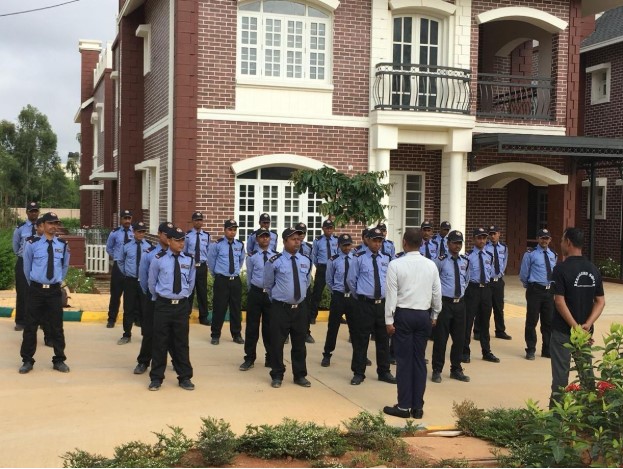

Disasters, accidents, and security threats can strike without warning. Effective emergency response planning ensures safety, minimizes damage, and maintains trust. Every company, from small offices to large corporations, benefits from having a clear plan. Preparation is not just about compliance—it’s about protecting people and assets.
Integrating Security Guard Company Services Into Plans
A security guard company provides trained personnel to manage threats and emergencies. These companies specialize in risk assessment, surveillance, and rapid response. Integrating their services into your emergency plan strengthens safety protocols. Their experience in handling incidents reduces confusion during crises. Security guards from a reputable security guard company can coordinate evacuations, monitor sensitive areas, and communicate with authorities, making them vital to effective emergency response planning.
Training Security Guards For Emergency Scenarios
Security guards play a crucial role during emergencies. Proper training ensures they act swiftly and efficiently. Training includes fire drills, medical emergencies, evacuation procedures, and crowd management. Security guards trained for these scenarios can prevent chaos and injuries. Their presence reassures staff and visitors alike. By prioritizing training, organizations turn security guards into proactive responders rather than reactive participants, reinforcing overall safety during critical moments.
Developing Communication Protocols With Security Guard Company Support
Clear communication is central to emergency response. A security guard company helps design protocols that keep everyone informed. These protocols cover alarms, notifications, and reporting structures. Security guards are trained to relay real-time updates to management and emergency services. Having structured communication prevents misinformation and delays. By integrating these measures, organizations ensure security guards act as reliable points of contact during any emergency.
Planning Evacuation Routes With Security Guards In Mind
Evacuation planning requires careful thought. Security guards guide employees, visitors, and contractors safely out of danger zones. Maps, signage, and designated safe areas are essential elements. Security guards also monitor exits and prevent bottlenecks. When evacuation plans are clear and rehearsed, the risk of injuries drops significantly. Involving security guards in the planning phase ensures that routes are practical and effective during real emergencies.
Continuous Evaluation And Improvement Of Emergency Plans
Emergency response planning is not a one-time task. Regular drills, assessments, and feedback ensure the plan stays effective. Security guards play a key role in identifying gaps and suggesting improvements. Security guard company experts can audit procedures, update training, and introduce new technologies. Continuous evaluation allows organizations to adapt to changing threats and regulations. By consistently refining plans with input from security guards, companies maintain a high level of readiness and resilience against any emergency.
Coordinating With Local Authorities And Emergency Services
Security guards are often the first link between an organization and external responders. Coordination with local authorities, fire departments, and medical teams enhances readiness. Security guard company personnel can provide vital information, manage access points, and assist responders. This collaboration shortens response times and ensures everyone follows a unified plan. Integrating security guards into these efforts strengthens overall emergency preparedness.
Conclusion
Emergency response planning is not optional—it is a necessity. Organizations that involve security guards and leverage security guard company expertise create safer, more resilient environments. Training, communication, evacuation planning, and coordination with authorities all benefit from their support. By embedding security guards into every aspect of planning, companies reduce risks, protect people, and maintain operational continuity. Preparedness today safeguards the future.