
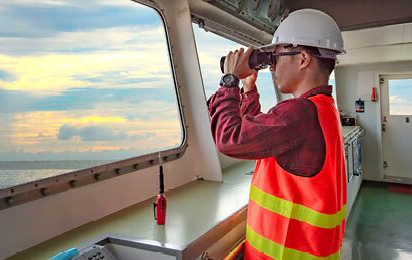

Marine inspections have changed significantly over the last few years due to digital technologies that have completely transformed the assessment of vessels and offshore structures. Remote and digital-first inspection models are becoming progressively more popular because there is a general industry-wide understanding that operations should be safer, decisions should be taken faster, and less money should be spent on operational costs in the shipping industry.
Virtual Surveys and Live Inspection Capabilities
One notable change is live video streaming being used for remote inspections. Surveyors can now check out the condition of a vessel through a live video feed being sent from the vessel, which allows them to do evaluations without their physical presence. This method drastically cuts down on the time during which the vessel will be out of service, and reduces the constraints on logistics that usually come with this kind of work, especially for operators who have to manage large fleets or are involved in time-critical voyages. Digital inspection instruments for a marine surveyor who has sufficient experience not only improve precision, but they also help to keep classification and regulatory standards intact.
Robotics, Drones, and Subsea Technologies
Remote inspection frameworks are progressively dependent on drones, remotely-operated vehicles, and sophisticated imaging technologies. These methods provide secure access to cramped areas, the ship’s hull, and underwater facilities, which in the past would have been considered very dangerous if inspected manually. When a marine survey vessel uses such equipment, robotic systems give detailed information, and at the same time, they lower the risks for the crew and make the inspections more productive.
Data Integration and Predictive Insights
Digitalised inspection systems focus primarily on centralised management of data storage. The various documents pertaining to inspections, maintenance, and compliance are consolidated and synchronised with respect to the fleet management system to provide critical visibility or record-keeping for the entire fleet. The further detection of defects and planning-based maintenance make AI-driven analytics advanced, thus reducing the chances of breakdowns.
Operational Impact and Industry Outlook
Thanks to the evolution of remote inspection systems, marine inspection is undergoing a fundamental change from predisposed, location-specific tasks to smart, seamless workflows. Organisations that provide guidance, for example, Navitera, facilitate this development by bringing digital inspection methods in line with the expectations of regulators and the operational demands.
The rise of remote and digital-first inspection models marks a significant step toward safer, more efficient, and future-ready maritime operations across global shipping and offshore sectors.